Wondering what it’s really like to live in St. Paul’s historic neighborhoods? In and around 55101, historic living can mean anything from a brick loft near the farmers market to a quiet home on a tree-lined residential block close to downtown. If you’re drawn to character, walkability, and a strong sense of place, this guide will help you understand the lifestyle, the tradeoffs, and the neighborhoods that shape St. Paul’s historic core. Let’s dive in.
What defines historic living in St. Paul?
St. Paul often describes itself as a city of neighborhoods, and that feels especially true in its historic areas. In the 55101 orbit, the historic core centers on downtown and Lowertown, with nearby districts including Lowertown, Irvine Park, Summit Avenue West, and Historic Hill.
What makes these areas appealing is not just age or architecture. It is the combination of preserved buildings, established public spaces, and a day-to-day lifestyle that blends city access with a strong sense of continuity.
Lowertown offers loft-style urban living
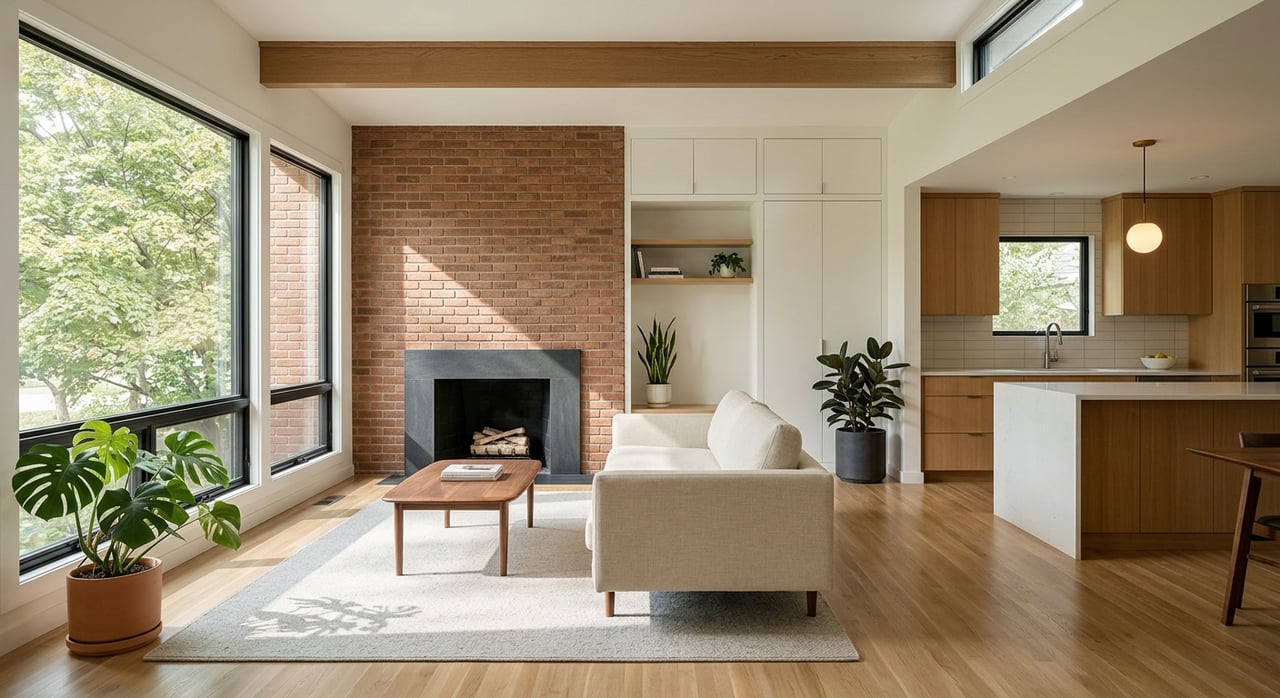
If you picture historic St. Paul as exposed brick, tall windows, and easy access to transit, Lowertown is probably the image you have in mind. City materials describe it as a concentration of brick commercial buildings from the 1880s to the 1920s that originally served as a warehouse district tied to Saint Paul’s rail network.
Today, that history shows up in loft conversions, live/work spaces, and artist housing. Developments like Lofts at Farmers Market place residents close to the Saint Paul Farmers Market and the METRO Green Line, which makes daily errands and commuting more practical than many buyers expect from downtown living.
What daily life feels like in Lowertown
Lowertown has one of the most active neighborhood rhythms in the area. Mears Park hosts concerts, festivals, and events, while CHS Field and the nearby Lowertown Dog Park add to the sense that something is usually happening nearby.
The area also has strong practical convenience. The city notes the Lowertown Farmers Market every Saturday, and downtown amenities include grocery access at Lunds & Byerlys at Penfield Apartments. That combination of historic buildings and everyday convenience is a big part of Lowertown’s appeal.
Transit and walkability stand out
For many residents, transit is part of the lifestyle, not just a backup plan. Union Depot serves as a restored multimodal hub and gathering place, and the METRO Green Line connects downtown Saint Paul and downtown Minneapolis with access at Union Depot Station.
Downtown’s skyway network adds another layer of convenience. The city says it spans 47 blocks and five miles, connecting pedestrians to restaurants, attractions, Xcel Energy Center, and CHS Field through a fully enclosed, temperature-controlled system.
Summit Avenue feels grand and scenic
If Lowertown is the urban side of historic St. Paul, Summit Avenue shows off its residential landmark character. The avenue is known for its long boulevard, center median, mature tree canopy, and park-like feel.
The American Planning Association notes that Summit Avenue stretches 4.5 miles and includes more than 370 residences across a dozen architectural styles. That scale gives the area a strong visual identity and helps explain why it remains one of St. Paul’s most recognized historic settings.
Why buyers are drawn to Summit Avenue
The appeal here is often about presence and setting. Large, ornate homes, broad streetscapes, and views toward the Mississippi River gorge and Minneapolis skyline create a distinctive experience that feels very different from a typical city neighborhood.
For buyers considering a next chapter move, Summit Avenue can offer architectural significance and a more residential atmosphere while still keeping you connected to the city. It is a place where the historic setting is part of everyday life, not just a backdrop.
Historic Hill offers quieter residential blocks
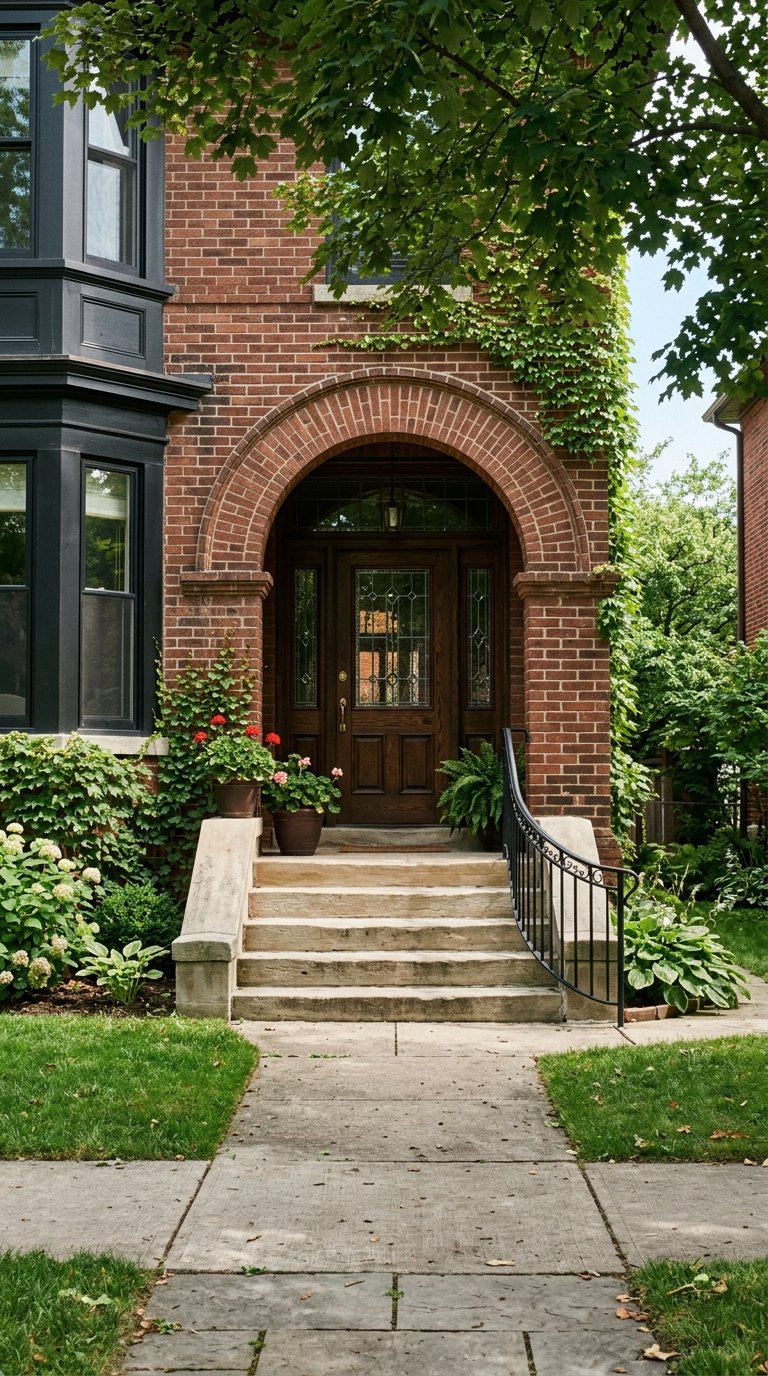
North of Summit Avenue, Historic Hill, often associated with Ramsey Hill, has a different feel. The area includes early architectural examples dating from the mid-1860s through the late 1880s, with most structures built in frame construction and some brick, stone, rowhouse, and double-home examples mixed in.
This variety gives the neighborhood a more layered look than some buyers expect. It also tends to feel quieter and calmer, thanks in part to little-trafficked streets and larger residences on substantial lots.
Why Historic Hill feels different
Historic Hill is often a fit for buyers who want older homes without the more public, landmark feel of Summit Avenue. The setting is still historic, but the rhythm can feel more tucked-in and residential.
If you value architectural variation and a quieter block pattern near the urban core, this area offers a distinct alternative. It can feel close to downtown without feeling like downtown.
Irvine Park and Cathedral Hill feel intimate
Irvine Park and the surrounding Cathedral Hill area offer a softer version of historic living. The city describes Irvine Park as a quiet, shady residential neighborhood in a historic district just west of downtown, centered around a park with a gazebo, fountain, and gardens.
Nearby Cathedral Hill Park is maintained to preserve the direct view of the Cathedral of Saint Paul. That gives the area a landmark-centered identity and reinforces the sense that the neighborhood experience is shaped as much by public space as by the homes themselves.
Who tends to like this setting
These areas often appeal to buyers who want a more intimate residential environment close to downtown. You may not be looking for a large boulevard or loft-style building. Instead, you may want charm, greenery, and a neighborhood feel anchored by historic streets and recognizable landmarks.
For downsizers or buyers seeking a lower-key historic setting, this part of St. Paul can be especially appealing. It offers proximity without feeling overly busy.
Parks and riverfront add balance
One reason historic St. Paul remains so livable is that green space is woven into the urban fabric. Mears Park anchors Lowertown, while Lower Landing Park and the Samuel H. Morgan Regional Trail extend the riverfront experience southeast of the neighborhood.
The city’s 2040 Comprehensive Plan describes the Mississippi River as a major economic, cultural, historic, and recreational amenity. In everyday terms, that means you can move between older buildings, active downtown streets, river views, and park space without going far.
Historic ownership comes with tradeoffs
Living in a historic district is not only about charm. It can also mean more planning when you want to make exterior updates.
Saint Paul’s Heritage Preservation Commission was created in 1976, and the city says exterior projects in locally designated historic districts can require preservation review before permits are issued. The city also notes that express permits are not available for historic structures or properties in historic districts.
What that means for buyers and sellers
If you own or plan to buy in one of these areas, visible changes may take more time and coordination than they would in a newer neighborhood. That can include additions or exterior work that affects the historic character of the property.
The upside is that the preservation framework helps protect the look and feel that draws people to these neighborhoods in the first place. For many buyers, that tradeoff is worth it, but it is important to go in with clear expectations.
Lowertown has a few unique planning factors
Lowertown’s location and history give it a distinctive energy, but they also come with practical considerations. Saint Paul states that the area is prone to Mississippi River flood impacts, and the city’s Lowertown Floodwall project is scheduled for 2026 through 2028.
That does not automatically change whether the neighborhood is a good fit for you. It does mean buyers and sellers should pay attention to construction timing, access, and the long-term resilience work shaping the area.
Which historic area fits your lifestyle?
The best historic neighborhood for you depends less on the idea of “old homes” and more on how you want to live day to day. Each area offers a different mix of architecture, pace, and convenience.
| Area | Best fit for | Everyday feel |
|---|---|---|
| Lowertown | Buyers who want loft living, transit access, market convenience, and an arts-driven routine | Active, urban, event-oriented |
| Summit Avenue | Buyers who want landmark homes, scenic streets, and architectural presence | Grand, residential, visually distinctive |
| Historic Hill | Buyers who want older homes, quieter blocks, and more variation in housing stock | Calm, layered, tucked-in |
| Irvine Park / Cathedral Hill | Buyers who want an intimate historic setting close to downtown | Charming, park-centered, lower-key |
Why these neighborhoods keep their appeal
Historic neighborhoods in St. Paul continue to attract buyers because they offer more than beautiful buildings. They combine housing choice, pedestrian and transit access, public parks, and a preservation-minded identity that gives each area a lasting sense of place.
If you are planning a move within St. Paul, downsizing into a condo or lower-maintenance home, or selling a historic property and looking for smart guidance, it helps to work with someone who understands both the lifestyle and the details. Mitchell Culbreath brings a calm, practical approach to historic properties and next-chapter moves across Saint Paul and the Twin Cities. When you’re ready to talk through your options, connect with Re/Max Results.
FAQs
What is life like in Lowertown St. Paul for homeowners or condo owners?
- Lowertown offers a more urban historic lifestyle with loft-style buildings, access to Union Depot and the Green Line, regular events around Mears Park, and convenient access to the farmers market and downtown amenities.
What should buyers know about owning a home in a St. Paul historic district?
- In locally designated historic districts, exterior projects can require preservation review before permits are issued, and express permits are not available for historic structures or properties in historic districts.
What makes Summit Avenue different from other historic neighborhoods in St. Paul?
- Summit Avenue stands out for its 4.5-mile boulevard, more than 370 residences, multiple architectural styles, mature tree canopy, and a more scenic, landmark residential setting.
Is Historic Hill in St. Paul quieter than downtown or Lowertown?
- Yes, city historic district materials describe Historic Hill as having quiet, little-trafficked streets, larger residences, and a more residential feel than the busier downtown-adjacent blocks.
Are there parks and outdoor spaces near St. Paul’s historic neighborhoods?
- Yes, key spaces include Mears Park in Lowertown, Irvine Park west of downtown, Cathedral Hill Park, Lower Landing Park, and the Samuel H. Morgan Regional Trail along the riverfront.