Trying to decide between Saint Paul and western Wisconsin? You are not just picking a house. You are choosing your daily routine, your commute, your amount of space, and the kind of setting that will feel right for your next chapter. If you are weighing Saint Paul against Hudson or Roberts, this guide will help you sort through the real tradeoffs so you can move forward with more clarity. Let’s dive in.
Saint Paul vs Western Wisconsin
For most buyers in the 55101 area, the biggest question is simple: do you want urban access or more space? Saint Paul offers a denser, more transit-connected environment with a broad range of housing types. Hudson and Roberts, on the other hand, generally offer a more cross-river lifestyle with larger-lot patterns and a less urban feel.
That does not mean one option is better for everyone. It means the right fit depends on how you want to live day to day, how much driving you can tolerate, and what kind of home style matters most to you.
Commute and access
If commute convenience matters, Saint Paul has the strongest case for buyers who want to stay close to city amenities and reduce car dependence. The city’s mean travel time to work is 21.1 minutes, and the METRO Green Line connects downtown Saint Paul and downtown Minneapolis with service at least every 15 minutes during most of the day.
That makes Saint Paul the best fit in this comparison if you want a more car-optional lifestyle. This can be especially appealing if you are considering downtown or inner-city neighborhoods and want easier access to work, dining, events, and everyday errands.
Why Hudson stands out
Hudson is the closest western Wisconsin option in this comparison. According to the city, Hudson sits along the St. Croix River just 15 minutes east of St. Paul, and Interstate 94 runs through the community.
Its mean commute time is 23.4 minutes, which is only modestly longer than Saint Paul’s citywide average. If you want to live in Wisconsin but keep a relatively manageable connection to Saint Paul, Hudson is often the most practical place to start.
Where Roberts fits
Roberts gives you a different tradeoff. It is farther out, more highway-oriented, and has a mean commute time of 31.4 minutes.
For some buyers, that longer drive is worth it for a quieter setting and more separation from the urban core. If you do not need to be in Saint Paul every day, Roberts may still make sense, but it is clearly the least convenient option for a downtown-focused commute.
Housing styles and lot sizes
Housing is where the differences become even clearer. Saint Paul has the most urban mix of the three markets, with detached single-family homes, smaller multifamily buildings, and a significant share of larger apartment or condo-style buildings.
The city’s lot standards also reflect a tighter urban pattern. In practical terms, that means you are more likely to find compact lots, attached housing, condos, and a wider mix of property types than you would across the river.
What to expect in Saint Paul
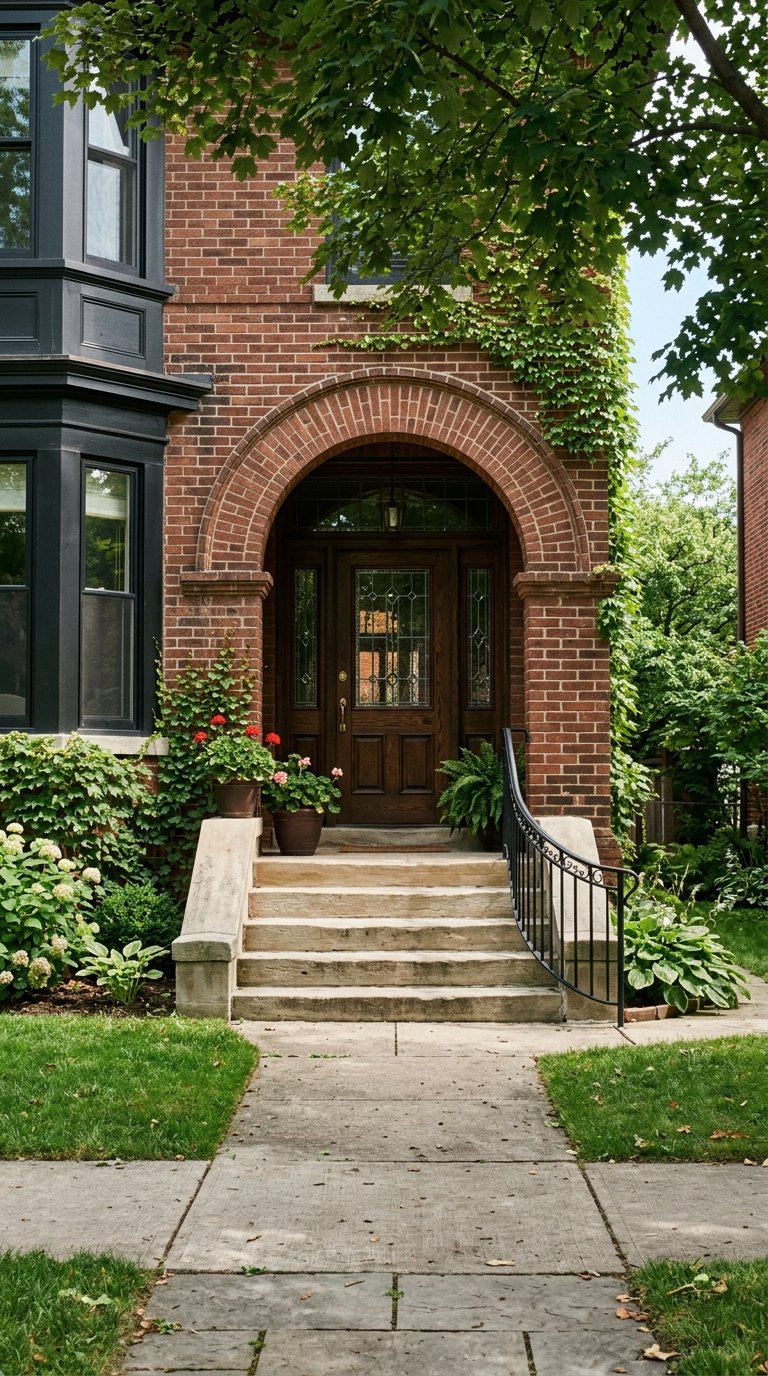
If you are drawn to historic homes, condos, townhomes, or neighborhoods with a more established city layout, Saint Paul gives you the most variety. Roughly half of the city’s housing units are detached single-family homes, while meaningful shares also exist in 2-to-4-unit buildings and larger multifamily properties.
That variety can be especially helpful if your next move is tied to a lifestyle shift. For example, a move-up buyer may want a neighborhood with older character and more options, while a downsizer may prefer a condo or lower-maintenance setup without leaving the city entirely.
What to expect in Hudson
Hudson reads more like a suburban river city. In the city’s housing data, 44.7% of units were detached single-family, 24.6% were one-unit attached, and 10.4% were in buildings with 20 or more units.
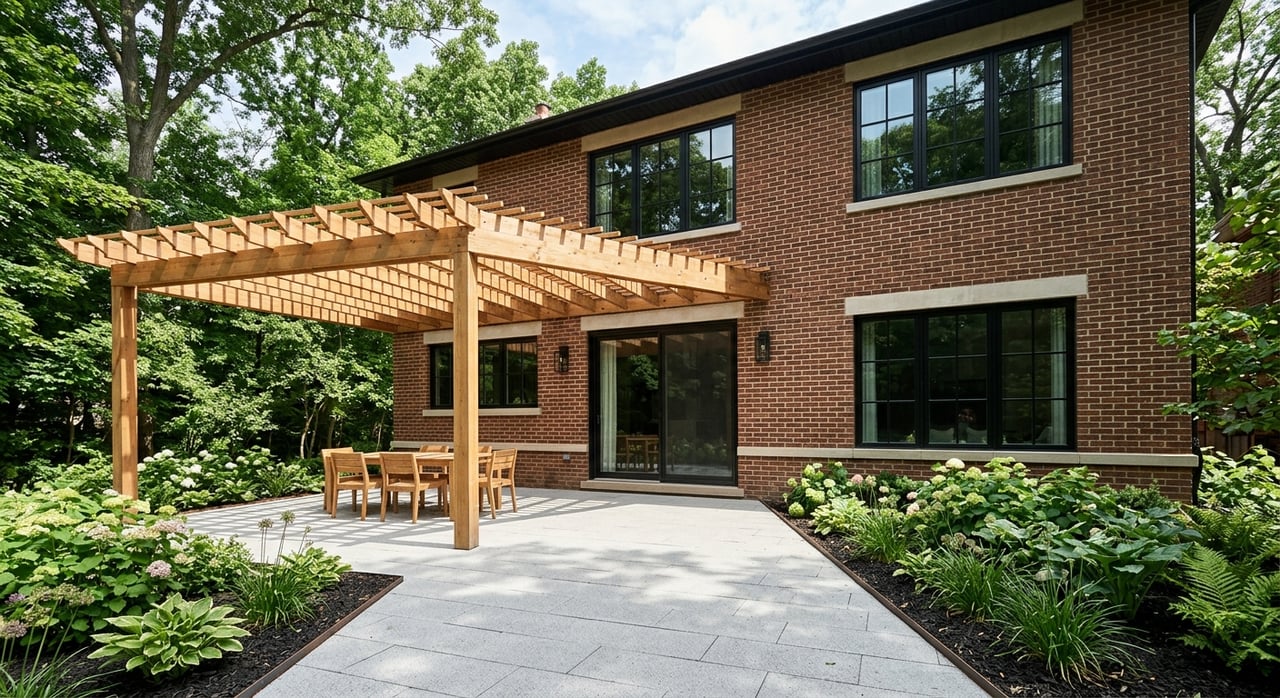
Hudson’s housing report says the city is largely built out, has an average parcel size of 0.45 acres, and requires 0.2 acres, or 9,000 square feet, for single-family and two-family parcels. For you, that often translates into a more typical yard-and-garage lifestyle while staying fairly close to Saint Paul.
What to expect in Roberts
Roberts has a smaller-village profile, but it is not purely single-family. Its housing mix includes detached homes, attached homes, and mobile homes, which means the existing stock is more varied than some buyers assume.
The village’s planning materials suggest new owner-occupied development generally runs around 0.25 acres per lot. So if your goal is more land and spacing than Saint Paul, Roberts can deliver that, but the housing mix may still surprise you depending on what you expect.
Neighborhood feel and daily lifestyle
Beyond commute and lot size, the bigger question may be how you want your everyday life to feel. This is often what makes the decision easier once you get past surface-level comparisons.
Saint Paul offers variety and history
Saint Paul is the strongest fit if you care about neighborhood identity, older housing stock, and city amenities. The city highlights its unique neighborhoods, historic districts, and numerous historic sites and properties.
If you enjoy the idea of established streets, distinctive architecture, and having more options in how and where you live, Saint Paul likely gives you the most depth. It is the most urban choice in this group, both in housing pattern and transportation access.
Hudson blends river setting and convenience
Hudson has a different kind of appeal. Its identity is closely tied to the St. Croix River corridor, with downtown retail and the Old Town residential district in the river valley and neighborhoods on the bluffs above.
That gives Hudson a river-town feel with suburban patterns and regional access to the Twin Cities. If you want a setting that feels less urban than Saint Paul but not too far removed from it, Hudson often lands in the sweet spot.
Roberts leans small-town
Roberts is the clearest fit if your priority is a quieter, smaller-town environment. The village describes itself as close to the Twin Cities metro area while maintaining a small-town atmosphere.
If you value space, separation, and a simpler day-to-day setting more than quick city access, Roberts may feel like the better lifestyle match. The tradeoff, of course, is the longer drive and more highway-dependent routine.
Which option fits your next move?
The best choice often depends on what you are optimizing for in this season of life. If you are making a second or third move, your answer may be less about price alone and more about how the home will support your routines, responsibilities, and long-term plans.
Here is a simple way to frame it.
Choose Saint Paul if you want
- More walkability and transit access
- Historic homes and established neighborhoods
- A wider range of housing types
- Easier access to downtown Saint Paul and Minneapolis
- A more urban, car-light lifestyle
Choose Hudson if you want
- A Wisconsin address with easier Saint Paul access
- A river-city setting
- More typical suburban lot sizes
- Yard-and-garage living with a shorter cross-river commute
- A balance between city access and extra space
Choose Roberts if you want
- The smallest-town feel of the three
- More separation from the urban core
- A quieter setting
- More land-oriented living patterns
- To trade a longer commute for more space and distance
A practical way to decide
If you are still torn, think about your week rather than your wish list. Where do you need to be most often? How important is it to cut down drive time? How much space will you actually use and maintain? And do you want your surroundings to feel more urban, more suburban, or more small-town?
Those answers usually point you in the right direction faster than scrolling listings does. Saint Paul, Hudson, and Roberts can each make sense, but they serve different priorities.
If you want help weighing those tradeoffs in a calm, practical way, Re/Max Results can help you compare options across Saint Paul and nearby western Wisconsin communities and find the fit that makes sense for your next move.
FAQs
Is Saint Paul or Hudson better for commuting to downtown Saint Paul?
- Hudson is the closest western Wisconsin option in this comparison, but Saint Paul has the shortest mean commute time overall and the strongest transit access.
Is Roberts or Hudson better if you want a Wisconsin home near Saint Paul?
- Hudson is generally the better fit if staying closer to Saint Paul is a priority, since it is much closer and has a shorter average commute than Roberts.
Does Saint Paul or western Wisconsin usually offer bigger lots?
- Hudson and Roberts generally follow larger-lot suburban or semi-rural patterns than Saint Paul, which has a tighter urban housing layout.
Which area has the strongest historic-home appeal: Saint Paul, Hudson, or Roberts?
- Saint Paul has the strongest historic-home angle because of its many historic districts, historic sites, and established older neighborhoods.
Which market feels most urban: Saint Paul, Hudson, or Roberts?
- Saint Paul is the most urban based on its density, transit service, and wider mix of attached and multifamily housing.
Which area is best if you want a quieter small-town feel near the Twin Cities?
- Roberts is the clearest fit if your priority is a quieter, smaller-town setting with more separation from the urban core.